
Cool roofs help you stay comfortable during hot summers by reflecting sunlight and absorbing less heat than traditional roofs. This means your indoor temperatures drop, reducing the strain on your air conditioning and lowering energy bills. With average cooling costs dropping from $150 to $100 a month, you’ll enjoy significant savings. Plus, these roofs contribute to a cooler urban environment and promote sustainability. If you’re curious about the types of cool roofs available, there’s plenty more to explore.
Key Takeaways
- Cool roofs reflect sunlight and absorb less heat, significantly lowering indoor temperatures during hot summer months.
- They reduce reliance on air conditioning, leading to lower cooling costs and energy consumption.
- A reflective surface minimizes heat absorption, making homes more comfortable and energy-efficient.
- Regular maintenance ensures optimal performance, enhancing the roof’s longevity and effectiveness in summer heat.
- Government incentives can offset installation costs, promoting eco-friendly upgrades for summer heat mitigation.
What Are Cool Roofs and How Do They Work?
When you think about keeping your home cool during hot summers, cool roofs mightn’t be the first solution that comes to mind. However, they can greatly impact your comfort and energy costs. A cool roof reflects more sunlight and absorbs less heat than a standard roof. By using materials with high solar reflectance, these roofs stay cooler, which helps lower indoor temperatures.
The cool roof benefits are clear: you’ll enjoy a more comfortable living space while reducing the workload on your air conditioning system. This leads to impressive energy savings, which can lower your utility bills.
Plus, a cooler roof can extend the lifespan of your roofing materials, saving you money on repairs or replacements in the long run. So, if you’re looking for an effective way to beat the heat, consider making the switch to a cool roof.
The Science Behind Reflectivity and Heat Absorption
When you look at cool roofs, you’ll notice their reflective surface materials play a key role.
These materials bounce sunlight away, reducing heat absorption and keeping your space cooler.
Understanding how these mechanisms work helps you appreciate their benefits during hot summers.
Reflective Surface Materials
Reflective surface materials play an essential role in combating heat absorption during scorching summers. By using reflective coatings on roofs, you can greatly enhance your home’s energy efficiency.
These coatings are designed to maximize solar reflectance, meaning they bounce sunlight away instead of absorbing it. When your roof reflects more sunlight, it stays cooler, reducing the heat transferred into your living space.
This not only keeps your home more comfortable but also lowers your energy bills by minimizing the need for air conditioning. Choosing the right reflective materials can make a big difference in how well your roof performs against the summer heat.
With effective reflective coatings, you’ll enjoy a cooler home and a more sustainable living environment.
Heat Absorption Mechanisms
Understanding how heat absorption works is key to appreciating the benefits of reflective surface materials. When solar radiation hits your roof, it can either be reflected or absorbed. Reflective materials minimize heat transfer into your building, keeping indoor temperatures cooler. This happens because they bounce back a significant portion of sunlight, reducing the amount that penetrates and heats the roof.
Conversely, darker surfaces absorb more solar radiation, leading to increased heat transfer into your home. This process can cause your air conditioning to work harder, increasing energy costs.
Benefits of Cool Roofs During Hot Summer Months
Cool roofs can lower your energy bills considerably during hot summer months. By reflecting sunlight, they reduce heat absorption, which means your air conditioning doesn’t have to work as hard. This results in significant energy savings, making your home more efficient. Plus, cool roofs promote climate resilience by mitigating urban heat.
Here’s a quick look at some benefits:
| Benefit | Description |
| Energy Savings | Lower cooling costs and reduced energy use. |
| Roof Longevity | Extended lifespan due to less thermal stress. |
| Aesthetic Appeal | Attractive options that enhance your home. |
| Community Impact | Reduces overall heat in urban areas. |
Installation costs can be offset by government incentives, making it a smart investment. You also gain health benefits, as cooler roofs can improve indoor air quality, creating a more comfortable living space.
How Cool Roofs Help Beat Urban Heat?
Cool roofs play an essential role in tackling urban heat by using reflective surface technology that bounces sunlight away.
You’ll notice energy efficiency benefits as these roofs help lower cooling costs, keeping your space comfortable without breaking the bank.
Plus, they contribute to mitigating the urban heat island effect, making your city a cooler place to live.
Reflective Surface Technology
As urban areas heat up during sweltering summers, reflective surface technology emerges as an essential solution to combat rising temperatures. This innovative approach uses reflective coatings to enhance the solar reflectance of roofs, allowing them to bounce back sunlight rather than absorb it.
When you choose a cool roof, you’re not just making your home more comfortable; you’re also contributing to a cooler urban environment. These coatings can markedly reduce surface temperatures, leading to less heat radiating into the surrounding area.
Energy Efficiency Benefits
Reflective surfaces not only enhance comfort but also greatly boost energy efficiency in urban settings.
By using cool roofs, you can markedly lower indoor temperatures, reducing the need for air conditioning. This leads to substantial energy savings, especially during those scorching summer months.
When you cut down on energy consumption, you’re also minimizing your environmental impact, as less energy means fewer greenhouse gas emissions. In fact, studies show that cool roofs can reduce energy usage by up to 15%.
Plus, cooler roofs can prolong the lifespan of your roofing materials, saving you money in the long run.
Urban Heat Island Mitigation
When urban areas heat up during the summer, the asphalt and concrete absorb and retain heat, creating what’s known as the Urban Heat Island effect.
Cool roofs serve as a powerful tool to combat this issue. By reflecting sunlight and reducing heat absorption, they lower surface temperatures and create a more comfortable environment. This can lead to significant energy savings and improved air quality.
Effective urban planning incorporates cool roofs as a standard feature, promoting sustainability in your community. Engaging with local residents about the benefits of cool roofs can foster a collective effort to implement these solutions.
Together, you can mitigate heat, enhance your neighborhood’s livability, and create a healthier urban landscape for everyone.
Types of Cool Roofs and Their Materials
Cool roofs come in various types and materials, each designed to reflect sunlight and absorb less heat, making your space more comfortable during scorching summers. You can choose from options like reflective coatings, which enhance existing roofs, or install a whole new green roofing system that incorporates vegetation.
Solar integration is another popular choice, allowing you to harness renewable energy while keeping your roof cool. When selecting materials, consider insulation materials that improve energy efficiency and durability factors that guarantee longevity.
Solar integration offers a dual benefit: harness renewable energy and maintain a cool, efficient roof. Prioritize insulation and durability for lasting results.
Coating options range from cool paints to specialized membranes, offering aesthetic choices that fit your style. Installation techniques vary, affecting cost considerations and the overall environmental impact.
Climate adaptability is another essential factor; what works in one region mightn’t be suitable in another. By understanding these options, you can make informed decisions that enhance comfort and reduce energy costs in your home.
Installing Your Cool Roof: What to Expect
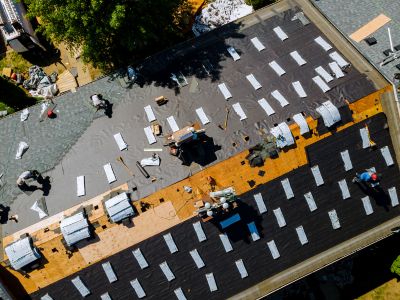
As you prepare to install your cool roof, you’ll find that the process can be straightforward if you know what to expect. First, assess your current roof condition; any repairs should be made before installation.
Next, choose the right materials—whether reflective paint, tiles, or membranes—to suit your needs.
During the installation process, professionals will typically start by cleaning your roof’s surface, ensuring proper adhesion. Depending on the material, this can take a few hours to a couple of days.
Cost considerations are essential; while cool roofs may have a higher upfront cost, they can lead to significant energy savings in the long run.
Make sure to get multiple quotes and check for any available rebates or incentives that can help offset costs.
In the end, a cool roof can enhance comfort and efficiency, making your investment worthwhile.
Comparing Cool Roofs and Traditional Roofs
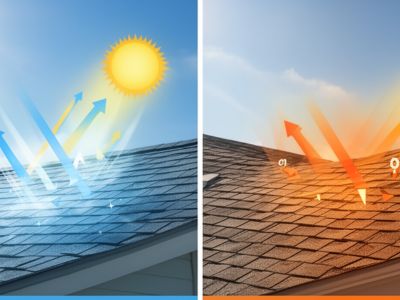
While both cool roofs and traditional roofs serve the same primary function of protecting your home, their performance and impact on energy efficiency can differ greatly.
Cool roofs reflect more sunlight, leading to significant energy savings, especially in hot climates. This enhanced efficiency not only benefits your wallet but also reduces the environmental impact by lowering greenhouse gas emissions.
When considering installation costs, cool roofs may initially seem pricier, but their longevity factors often outweigh these expenses over time.
Additionally, cool roofs can enhance your home’s aesthetic appeal and adapt better to changing climate conditions, which is increasingly important in urban planning.
Material choices play a vital role, as some are more eco-friendly than others.
To maintain a cool roof, follow specific maintenance tips to guarantee it performs at its best.
Ultimately, the community benefits from widespread adoption, improving overall urban heat management and contributing to a more sustainable future.
How Cool Roofs Reduce Energy Costs?
By reflecting more sunlight and absorbing less heat, cool roofs greatly lower your energy costs during hot summers. This means your air conditioning doesn’t have to work as hard, leading to significant energy savings. Lower energy consumption translates directly to reduced utility bills, enhancing the cost benefits of installing a cool roof.
Here’s a quick look at the potential savings:
| Factor | Traditional Roof | Cool Roof |
| Average Cooling Cost | $150/month | $100/month |
| Annual Energy Savings | N/A | $600/year |
| ROI (Return on Investment) | N/A | 20% in 5 years |
These figures demonstrate how cool roofs not only enhance comfort but also offer substantial financial advantages. By investing in a cool roof, you’re not just making a smart choice for your home; you’re also making a wise financial decision.
Cool Roofs and Sustainable Building Practices
Integrating cool roofs into your building design not only enhances energy efficiency but also aligns with sustainable building practices. By using sustainable materials, you contribute to eco-friendly practices that promote energy conservation.
Cool roofs reflect sunlight, reducing heat absorption and lessening the need for excessive air conditioning, which is essential for climate resilience.
Design integration is key; when you incorporate cool roofs, you create a synergy with other sustainable features, like green walls or solar panels.
Community involvement can amplify these efforts, as local initiatives often support the adoption of cool roofs, fostering a collective commitment to sustainability.
Plus, many governments offer incentives to encourage such eco-friendly upgrades, making it easier for you to embrace these practices.
Debunking Myths Surrounding Cool Roofs
Many people mistakenly believe that cool roofs are only effective in warmer climates. In reality, they can benefit buildings in various environments by reducing energy costs and improving indoor comfort. Let’s clear up some common misconceptions through a bit of myth busting.
| Myth | Truth | Impact |
| Cool roofs work only in summer | They reduce heat absorption year-round | Saves energy all year! |
| They’re too expensive to install | Long-term savings offset initial costs | Cost-effective over time |
| They can’t withstand harsh weather | They’re durable and weather-resistant | Protects your investment |
Maintaining Your Cool Roof for Longevity
Once you’ve debunked the myths surrounding cool roofs, it’s time to focus on how to keep them in top condition.
Regular roof maintenance is essential for ensuring your cool roof lasts long and performs effectively. Here are some longevity tips to reflect upon:
1. Inspect Regularly: Check your roof at least twice a year for cracks, debris, or signs of wear.
Early detection can save you from costly repairs.
2. Clean the Surface: Remove leaves, dirt, and other debris that can trap heat.
A clean surface enhances reflectivity and cooling efficiency.
3. Repair Promptly: If you notice any damage, address it immediately.
Minor issues can escalate quickly, reducing the roof’s effectiveness.
Real-Life Examples of Successful Cool Roof Projects
As cities grapple with rising temperatures, cool roofs have emerged as a practical solution, showcasing impressive results in various projects. Urban case studies highlight innovative designs that not only reduce heat but also enhance community impact.
For instance, a notable project in Los Angeles combined aesthetic considerations with climate adaptability, resulting in a striking building that fits seamlessly into its environment.
Long-term effects of these cool roofs include lower energy bills and reduced urban heat islands. Cost analysis often shows that initial investments pay off through energy savings and increased property values.
Additionally, policy implications are significant; cities adopting cool roof mandates can foster broader adoption and encourage sustainable building practices.
Frequently Asked Questions
Can Cool Roofs Work in Colder Climates?
Yes, cool roofs can work in colder climates by reflecting sunlight and reducing heat absorption. Their climate adaptability offers benefits like energy savings and improved comfort, helping you maintain a balanced indoor temperature year-round.
How Do Cool Roofs Affect Indoor Temperature?
Cool roofs considerably reduce indoor temperatures by reflecting sunlight, leading to notable heat reduction. As a result, you’ll experience energy savings, lowering your cooling costs and creating a more comfortable living environment during hot weather.
Are Cool Roofs Compatible With Solar Panels?
Yes, cool roofs are compatible with solar panels. By reducing heat island effects, they enhance solar panel efficiency, allowing your system to produce more energy while keeping your building cooler. It’s a win-win for sustainability!
Do Cool Roofs Require Special Maintenance?
Yes, cool roofs require special maintenance. You should regularly inspect cool roof materials for damage and clean them to maintain efficiency. During roof installation, guarantee proper sealing to enhance durability and performance over time.
What Is the Lifespan of a Cool Roof?
A cool roof typically lasts 20 to 30 years, depending on lifespan factors like material durability and local climate. Regular inspections can help maximize its longevity, ensuring you get the most out of your investment.
Final Thoughts
Cool roofs are a practical way to stay more comfortable through hot summers—by reflecting sunlight and absorbing less heat, they can lower indoor temperatures, reduce the load on your air conditioning, and help cut monthly cooling costs. With the right materials and proper installation, a cool roof can also support long-term roof performance while contributing to a cooler, more sustainable community.
If you’re thinking about upgrading your roof, start with a professional assessment so you can choose the best solution for your home and budget. Our team at Rochester Hills Roofing Pros can walk you through your options, explain what makes sense for your property, and help you move forward with confidence—whether that means a detailed roof inspection, a full roof replacement, or guidance on the right system from our full range of roofing services.
Ready to get started? Contact Rochester Hills Roofing Pros today for a quote and expert recommendations—call (248) 397-6991 or book your consultation through our contact page.