
When you’re considering a new roof, the choice can feel overwhelming. Flat, gable, hip, and other styles each have their own set of advantages and drawbacks. You might appreciate the modern look of a flat roof or the classic charm of a gable. But which one really suits your needs? Understanding these roof styles can help you make a decision that balances aesthetics, functionality, and cost. Let’s explore these options further.
Key Takeaways
- Gable roofs offer excellent drainage and lower installation costs, making them a popular choice for homeowners seeking simplicity and efficiency.
- Hip roofs provide enhanced stability and durability, effectively distributing wind and snow loads for better long-term protection.
- Flat roofs are cost-effective and allow for versatile use of space, but require regular maintenance to prevent water accumulation and damage.
- Mansard roofs add extra living space and aesthetic appeal, while shed roofs offer versatility with a single slope for efficient drainage.
- Maintenance needs vary among roof styles, with gable roofs generally requiring less upkeep compared to flat roofs that need frequent inspections.
Overview of Roof Styles
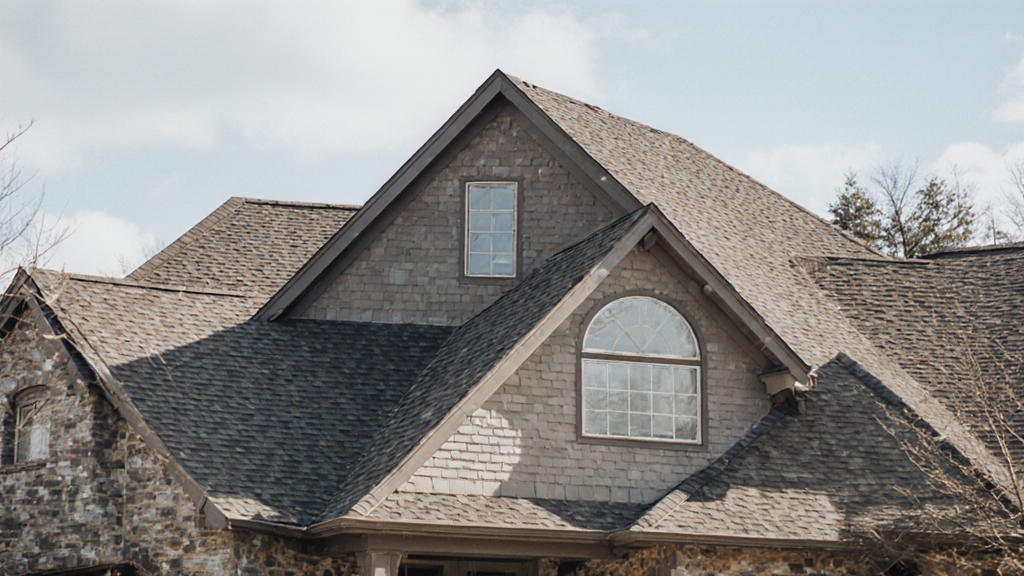
When you think about roof styles, it’s essential to recognize how each design can influence both the aesthetics and functionality of your home. Different roof styles, like gable, hip, and flat, not only change your home’s look but also affect its performance in weather conditions.
Roof styles significantly impact both the beauty and performance of your home, influencing its look and resilience in various weather conditions.
For instance, gable roofs allow for efficient water drainage and can be paired with various roof materials, from asphalt shingles to metal panels.
Architectural trends also play a significant role in choosing a roof style. Modern designs often favor sleek, minimalist roofs, while traditional homes may feature ornate gables.
Understanding these styles helps you make an informed decision, ensuring your roof complements your home’s overall design. As you explore your options, consider how each style aligns with current architectural trends and the materials available, as this can enhance both your home’s curb appeal and its longevity.
Understanding Flat Roofs: Pros and Cons

While flat roofs may seem like a simple choice, they come with both advantages and drawbacks that can greatly impact your home. One major benefit is the cost-effectiveness; flat roof materials are often less expensive than sloped options. You can also use the space for rooftop gardens or additional outdoor living areas.
However, they can pose challenges, especially with drainage. Without a proper slope, water can accumulate, leading to leaks or structural issues.
Insulation is another consideration. Good flat roof insulation is essential to maintain energy efficiency, keeping your home warm in winter and cool in summer.
On the downside, flat roofs typically have a shorter lifespan than pitched roofs, requiring more frequent maintenance and potential repairs.
Weighing these pros and cons helps you determine if a flat roof suits your needs and lifestyle.
The Timeless Appeal of Gable Roofs
Gable roofs have long captivated homeowners with their classic design and practical benefits. Their triangular shape not only adds a touch of elegance but also provides excellent drainage, making them a smart choice for various climates.
Gable roofs blend elegance and practicality, offering superb drainage and timeless appeal for any home.
Historically, gable roofs have significant importance, appearing in numerous architectural styles from ancient to modern times. This design has stood the test of time, blending seamlessly with both traditional and contemporary homes.
You’ll appreciate how gable roofs enhance curb appeal, giving your home a distinctive character. They also offer ample attic space, making them functional for storage or additional living areas.
Plus, the simplicity of their construction often leads to lower building costs. If you’re aiming for a roof style that combines beauty and utility, gable roofs might just be the perfect fit for your home, ensuring it remains stylish for years to come.
Why Hip Roofs Might Be the Best Choice for You?
If you’re looking for a roof that offers both stability and durability, a hip roof might just be your best bet.
Its design helps improve water drainage efficiency, reducing the risk of leaks and damage.
Choosing a hip roof means investing in long-lasting protection for your home.
Enhanced Stability And Durability
When considering a roof for your home, the enhanced stability and durability of hip roofs make them an appealing option. Unlike gable roofs, hip roofs have slopes on all sides, providing better structural integrity. This design helps distribute wind and snow loads evenly, boosting roof stability. You won’t have to worry as much about damage during storms, making hip roofs a long-lasting choice.
Additionally, the materials used in hip roofs often contribute to their overall durability factors. With proper maintenance, they can withstand various weather conditions.
If you prioritize roof stability and want a durable solution, hip roofs are worth considering for your home. They combine aesthetic appeal with the strength needed to protect your investment.
Improved Water Drainage Efficiency
Along with their enhanced stability and durability, hip roofs excel in water drainage efficiency, making them an excellent choice for homeowners.
The design of hip roofs allows for ideal water flow, directing rainwater away from the structure. Unlike flat or gable roofs, which can trap water, hip roofs have sloped surfaces that promote quicker drainage. This effective drainage system reduces the risk of leaks and water damage, ensuring your home stays safe and dry.
Additionally, their ability to handle heavy snowfall means less stress on your roof during winter months. By choosing a hip roof, you’re investing in a style that not only looks great but also maximizes performance in managing water and protecting your property.
Unique Features of Mansard Roofs
While many roof styles offer distinct characteristics, mansard roofs stand out with their unique dual-slope design.
Originating in France during the 17th century, mansard roofs blend style and functionality, providing distinct advantages for homeowners.
Here are three key features that make mansard roofs appealing:
- Extra Living Space: The steep lower slope creates additional usable space in the attic, perfect for bedrooms or offices.
- Aesthetic Appeal: Their elegant design adds a classic touch to any home, enhancing curb appeal.
- Versatile Roofline: You can adapt mansard roofs to suit various architectural styles, giving you flexibility in design.
Understanding the mansard history helps appreciate its evolution, while the mansard advantages make it a practical choice for maximizing space and beauty.
If you’re considering a unique roof style, the mansard might just be the perfect fit for your needs.
Shed Roof Styles: Versatility and Benefits
Shed roofs, known for their simple yet effective design, offer a range of advantages that make them a popular choice among homeowners. One of the primary shed roof advantages is their versatility; they can easily adapt to various architectural styles and settings. This makes them ideal for both modern and traditional homes.
Their single-sloped design allows for efficient water drainage and can provide extra ceiling height, making spaces feel larger and more open.
In addition to practicality, shed roof aesthetics are appealing. The clean lines and angular shape create a contemporary look that many find attractive. You can also play with materials and colors to match your home’s exterior.
Plus, the straightforward construction process often leads to lower labor costs, making it a budget-friendly option. Overall, shed roofs combine functionality with style, providing a smart choice for your next roofing project.
Aesthetic vs. Functional: Roof Style Comparison
When reflecting on roof styles, it’s essential to balance aesthetics with functionality, as each can greatly influence your home’s overall appeal and performance.
Your aesthetic preferences might lean towards a sleek flat roof or a traditional gable, but you also need to evaluate the functional benefits of each style.
Here are three key points to examine:
- Weather Resistance: Certain styles, like hip roofs, offer better protection against strong winds and heavy rain.
- Energy Efficiency: Roofs with proper insulation or ventilation can considerably reduce heating and cooling costs.
- Maintenance Requirements: Some designs, such as flat roofs, may require more upkeep over time compared to sloped styles.
Cost Implications of Different Roof Types
When choosing a roof style, it’s essential to take into account how installation costs can vary greatly.
You might also want to think about ongoing maintenance expenses, as some materials require more upkeep than others.
Understanding these financial factors can help you make a more informed decision.
Installation Cost Variations
Choosing the right roof style can greatly impact your installation costs. Several installation factors and material choices come into play, influencing your budget.
Here are three key considerations:
- Roof Design Complexity: Gable roofs are often cheaper to install due to their straightforward design, while complex roofs like hip styles may require more labor and materials.
- Material Choices: Asphalt shingles are generally less expensive than metal or tile roofs, affecting both material and installation costs.
- Labor Costs: Some roof styles demand specialized skills, which can increase labor expenses.
Maintenance Expenses Over Time
Although you may prioritize installation costs, maintenance expenses over time can considerably affect your overall roofing budget.
Different roof styles come with varying maintenance needs, impacting your long-term budgeting. For instance, flat roofs often require regular inspections and repairs due to pooling water, while gable roofs might need less frequent upkeep.
However, when unexpected repairs arise, such as leaks or damaged shingles, costs can add up quickly. It’s crucial to take these factors into account when choosing your roof type.
Maintenance Tips for Different Roof Styles
While each roof style has its unique aesthetic appeal, understanding the specific maintenance requirements can help you extend its lifespan and prevent costly repairs.
Each roof style has its own charm, but knowing how to maintain it is key to longevity and cost savings.
Here are some essential tips for maintaining different roof styles:
- Regular Roof Inspections: Check your roof every season for any signs of wear, such as loose shingles or leaks. Catching issues early can save you money in the long run.
- Seasonal Maintenance: Clean gutters and downspouts to prevent water damage, and clear debris off flat roofs to avoid pooling water, which can lead to leaks.
- Professional Help: For complex roof styles, like hips or valleys, consider hiring a professional for maintenance or repairs. They can address issues you might overlook.
Frequently Asked Questions
How Do Roof Styles Impact Home Energy Efficiency?
Roof styles markedly impact your home’s energy efficiency. Effective insulation and solar potential vary with design; for instance, gable roofs can enhance airflow, while flat roofs might optimize solar panel placement, influencing overall energy savings.
What Materials Are Commonly Used for Different Roof Styles?
You’ll find various roofing materials like asphalt shingles, metal, clay tiles, and slate. If you’re interested in sustainable options, consider metal or recycled materials, as they offer durability and energy efficiency for your home.
Are There Regional Preferences for Specific Roof Styles?
Yes, there’re regional preferences for roof styles shaped by cultural influences and climate considerations. For instance, gable roofs thrive in snowy areas, while flat roofs suit arid climates, reflecting local traditions and environmental needs.
How Do Roof Styles Affect Home Insurance Rates?
Roof styles can affect your home insurance rates considerably. Using durable roof materials might earn you insurance discounts, while more traditional styles may not, depending on their vulnerability to weather damage or repair costs.
Can Roof Styles Influence Resale Value of a Property?
Yes, roof styles can influence a property’s resale value. If you choose designs that align with current design trends and meet market demand, you’ll likely attract more buyers and potentially increase your home’s worth.
Final Thoughts
Choosing the right roof style means balancing how you want your home to look with how you need it to perform day to day. Flat roofs can deliver that clean, modern profile, while gable roofs offer classic curb appeal and straightforward performance. Hip roofs bring added stability and excellent drainage, making them a strong choice in areas with high winds or heavy weather. Each style comes with its own cost, maintenance needs, and long-term benefits, so it’s worth weighing all these factors against your budget and design preferences.
If you’re still deciding between flat, gable, hip, or another style, the team at Rochester Hills Roofing Pros can help you compare options and match them to your home’s structure and local conditions. Explore our Residential Roofing and Services pages, or learn more about specific systems like Flat Roofing and Metal Roofing. For a clear next step, schedule a professional Roof Inspection so we can evaluate your current roof and recommend whether a new design or a Roof Replacement makes the most sense.
Ready to choose a roof style that looks great and functions even better for years to come? Reach out to Rochester Hills Roofing Pros today through our Contact page to request a consultation or estimate and get expert guidance tailored to your home.