
Metal roofs offer impressive environmental benefits. They last 40 to 70 years, cutting down on waste from frequent replacements. Made from up to 95% recycled materials, they’re eco-friendly both during production and at the end of their life. Their ability to reflect solar heat helps you save on cooling costs while reducing your carbon footprint. With lower maintenance needs and enhanced energy efficiency, these roofs not only benefit the planet but can also boost your property’s value. Want to know more?
Key Takeaways
- Metal roofs have a lifespan of 40 to 70 years, reducing waste and resource consumption from frequent replacements.
- Made from up to 95% recycled materials, metal roofs support sustainable sourcing and minimize raw material extraction.
- Their high reflectivity lowers cooling costs and enhances energy efficiency, contributing to reduced carbon footprints.
- Metal roofs require less maintenance, resulting in lower resource consumption and a smaller environmental impact over time.
- Fully recyclable at the end of their life, metal roofs minimize landfill waste and support eco-friendly production processes.
Why Choose Metal Roofs for Sustainability?
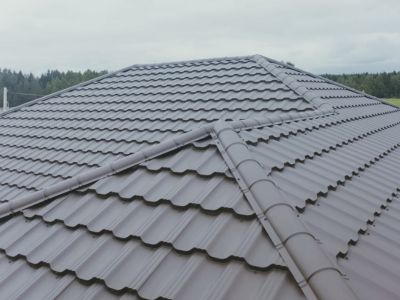
When you think about sustainable building materials, metal roofs often stand out due to their impressive longevity and eco-friendly properties. Choosing metal roofs is a smart move for anyone passionate about green building.
Unlike traditional roofing options, metal roofs can last 50 years or more, reducing the need for frequent replacements and minimizing waste. This durability means fewer resources are used over time, aligning perfectly with eco-friendly materials principles.
Metal roofs can last over 50 years, minimizing waste and resource use, making them a top choice for eco-friendly building.
Additionally, metal roofs reflect solar heat, which can lower cooling costs and energy consumption in your home. This energy efficiency not only benefits your wallet but also reduces your carbon footprint.
Many metal roofs are made from recycled materials, further enhancing their sustainability appeal. By opting for a metal roof, you’re making a conscious choice that supports both the environment and your long-term financial goals, proving that eco-friendly materials can be both practical and stylish.
Recycled Materials: A Core Benefit of Metal Roofs
Metal roofs stand out not just for their durability but also for their remarkable use of recycled materials. When you choose a metal roof, you’re supporting sustainable sourcing by opting for products made from up to 95% recycled content. This choice greatly reduces the environmental impact associated with raw material extraction.
Additionally, the eco-friendly manufacturing processes involved in creating these roofs promote resource conservation, ensuring that fewer natural resources are wasted.
A life cycle assessment of metal roofs shows they outperform traditional roofing regarding sustainability, thanks to their long lifespan and recyclability at the end of their use.
How Metal Roofs Reduce Energy Consumption
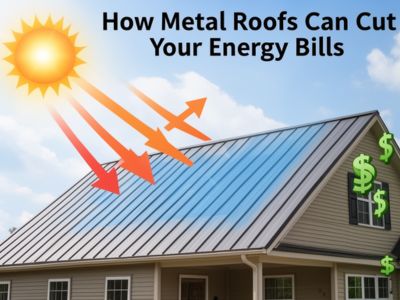
Because of their reflective properties, metal roofs can markedly reduce energy consumption in your home. This reflective nature helps keep your roof cooler by deflecting sunlight, which means your air conditioning doesn’t have to work as hard during hot months.
By improving energy efficiency, you can lower your utility bills and decrease your carbon footprint.
Improving energy efficiency leads to lower utility bills and a reduced carbon footprint.
Additionally, metal roofs often have excellent thermal performance, which means they effectively manage heat transfer. In winter, they help retain warmth, reducing the need for excessive heating.
This dual benefit of keeping your home cooler in the summer and warmer in the winter makes metal roofs an attractive option for energy-conscious homeowners.
Longevity: Why Metal Roof Longevity Matters for Sustainability
While many roofing materials need frequent replacement, opting for a metal roof can greatly contribute to sustainability. The durability advantages of metal roofs mean they can last 40 to 70 years, far outpacing traditional options like asphalt shingles. This longevity reduces the need for constant replacements, minimizing waste and resource consumption over time.
Additionally, metal roofs come with lower maintenance requirements. You won’t have to worry about frequent repairs or replacements, which not only saves you money but also lessens your environmental impact.
Reflecting Solar Energy: Keep Your Home Cooler
Choosing a metal roof not only enhances longevity but also helps keep your home cooler by reflecting solar energy. Unlike traditional roofing materials, metal roofs are designed with high solar reflection properties, meaning they bounce back a significant portion of the sun’s rays. This solar reflection reduces the amount of heat absorbed by your home, leading to better temperature regulation.
As a result, you’ll notice a drop in your cooling costs during those hot summer months. With less heat entering your home, your air conditioning system won’t have to work as hard, which can prolong its lifespan and lower energy consumption.
Plus, a cooler home creates a more comfortable living environment, improving your overall quality of life. By choosing a metal roof, you’re not just making an investment in durability—you’re also contributing to a more energy-efficient and eco-friendly home.
How Metal Roofs Minimize Landfill Waste
Metal roofs make a big impact on reducing landfill waste. Since they’re highly recyclable, you can feel good knowing that your old roof materials won’t just end up in a dump.
Plus, their long lifespan means you won’t need to replace them as often, cutting down on waste even further.
Recyclability of Metal Materials
When you opt for a metal roof, you’re not just making a smart choice for your home; you’re also contributing to a more sustainable future. Metal roofs excel in recyclability, greatly minimizing landfill waste. When the time comes for replacement, most metal materials can be recycled, promoting resource conservation. This eco-friendly production process supports material sustainability and reduces the environmental impact of roofing waste.
| Aspect | Benefits | Impact on Environment |
| Metal Recycling | Reduces landfill waste | Promotes sustainability |
| Eco Friendly Production | Low energy use | Decreases carbon footprint |
| Lifecycle Assessment | Evaluates durability | Enhances resource management |
Longevity Reduces Replacement Needs
Opting for a metal roof means investing in a durable solution that minimizes the need for frequent replacements.
With its impressive lifespan, a metal roof can last 40 to 70 years or more, greatly outpacing traditional roofing materials. This durability advantage not only saves you money in the long run but also reduces landfill waste since fewer roofs need to be discarded.
Plus, metal roofs require less maintenance compared to other options, further enhancing their sustainability. You’ll spend less time, effort, and resources on upkeep, contributing to a more eco-friendly lifestyle.
Metal Roofs and Energy Efficiency: What You Should Know?
If you’re evaluating a roof upgrade, you’ll find that metal roofs offer impressive energy efficiency benefits. These roofs are designed to enhance thermal performance, leading to significant energy savings. Here are some key points to reflect on:
- Cool Roofing: Metal roofs can reflect sunlight, helping to keep your home cooler in hot climates.
- Insulation Benefits: Their design allows for better insulation, reducing heating and cooling costs.
- Climate Resilience: Metal roofs withstand extreme weather, minimizing the need for frequent roof maintenance.
- Design Versatility: With various color options, you can choose a style that complements your home while maximizing energy efficiency.
While installation costs may be higher initially, the long-term benefits, such as reduced energy bills and durability, make metal roofs a smart choice for energy-conscious homeowners.
Investing in a metal roof may have higher upfront costs, but the long-term savings and durability make it an excellent choice for energy-conscious homeowners.
Plus, they offer noise reduction, enhancing your comfort indoors.
Exploring the Lifecycle of Metal Roofing
While many homeowners focus on the immediate benefits of metal roofs, understanding their lifecycle can reveal even greater advantages. A lifecycle analysis of metal roofing highlights its durability and sustainability, showing that these roofs can last 40-70 years, far outpacing traditional materials.
This longevity translates to fewer replacements and less waste, markedly reducing your home’s environmental impact.
When you consider the manufacturing process, metal roofs are often made from recycled materials and are themselves recyclable at the end of their life. This closed-loop system minimizes resource depletion and energy consumption.
Additionally, during their lifetime, metal roofs require less maintenance and fewer resources to upkeep, further contributing to their eco-friendly profile.
How Metal Roofs Can Cut Your Energy Bills
Metal roofs can considerably cut your energy bills, offering a smart investment for homeowners.
With their reflective properties and durability, they provide significant energy savings and enhanced cost efficiency. Here’s how:
Metal roofs offer remarkable energy savings and cost efficiency through their reflective properties and long-lasting durability.
- Reflective Surface: Metal roofs reflect sunlight, reducing heat absorption and keeping your home cooler in summer.
- Insulation Improvement: By installing proper insulation, you maximize the energy efficiency of your metal roof.
- Longevity: Metal roofs last longer than traditional materials, meaning fewer replacements and lower long-term costs.
- Energy Star Ratings: Many metal roofs come with Energy Star ratings, qualifying you for potential rebates and incentives.
Boosting Property Value With Sustainable Roofing Options
As homeowners increasingly prioritize sustainability, opting for eco-friendly roofing options can greatly boost your property’s value. Metal roofs not only enhance property aesthetics but also align with rising market demand for sustainable features. When potential buyers see a metal roof, they recognize the long-term savings and durability it offers, making your home more appealing.
Here’s how eco-friendly roofing impacts value:
| Benefits | Impact on Property Value |
| Energy Efficiency | Lower utility costs attract buyers |
| Longevity | Reduced replacement frequency |
| Eco-Friendly Materials | Aligns with green living trends |
Investing in a sustainable roof isn’t just good for the environment; it’s a smart financial move. By choosing a metal roof, you’re not just improving your home—you’re making a choice that resonates with today’s eco-conscious buyers.
Frequently Asked Questions
How Do Metal Roofs Compare to Traditional Roofing Materials Environmentally?
Metal roofs outperform traditional materials environmentally. Their sustainability impact is significant, as they’re often made from recycled materials and are fully recyclable at the end of their life, making them a smarter, greener choice for your home.
Are Metal Roofs Suitable for All Climates and Weather Conditions?
Yes, metal roofs are suitable for various climates. Their energy efficiency helps regulate temperatures, while their climate resilience withstands harsh weather conditions, making them a reliable choice for homeowners in diverse environments.
What Maintenance Do Metal Roofs Require Over Their Lifespan?
Metal roofs require minimal maintenance for longevity. You should regularly check for debris, clean gutters, and inspect for rust or loose panels. Following these maintenance tips guarantees your roof remains durable and effective for years.
Can Metal Roofs Be Installed Over Existing Roofing Materials?
Yes, you can install metal roofs over existing roofing materials. This approach may save costs and streamline installation techniques, but guarantee your current roof’s condition supports the added weight for a successful, long-lasting outcome.
Do Metal Roofs Offer Noise Reduction During Rain or Hail Storms?
Yes, metal roofs can offer some noise insulation during rain and hail storms, but the impact can be noticeable. Adding insulation beneath the roof can help reduce the sound from rain impact considerably.
Final Thoughts
Choosing a metal roof is one of the simplest ways to make your home more sustainable without sacrificing performance. With a long lifespan, high recycled content, and full recyclability at the end of its service life, metal roofing helps cut down on landfill waste while supporting more responsible material use. Its reflective surface can also reduce heat absorption during warm months, helping lower cooling demands and shrink your home’s overall energy footprint.
If you’re considering a more efficient, longer-lasting roofing system, the next step is getting expert guidance on what makes the most sense for your home and budget. Our team at Rochester Hills Roofing Pros can help you compare options and plan the right solution—starting with a professional roof inspection and, if needed, a full roof replacement. To schedule an evaluation or request pricing, reach out through our contact page today.