
Solar Roofing: The Future of Energy Efficiency
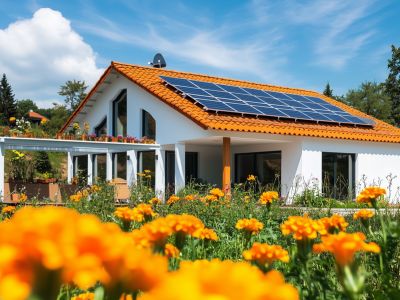
Solar roofing combines stylish design with cutting-edge photovoltaic technology, turning your home into a clean energy powerhouse. You’ll lower your energy bills while boosting your property value, all without sacrificing aesthetics. Plus, with advancements like solar shingles and battery storage, you can optimize your energy use effortlessly. The benefits don’t stop there, as it helps […]
Sustainable Roofing Options for Homeowners

When considering sustainable roofing options, you’ve got plenty of choices that boost energy efficiency and cut costs. Look for materials like bamboo shingles, metal roofing, or solar tiles, all of which offer eco-friendly benefits. Cool roofs reflect sunlight to lower cooling expenses, while living roofs enhance urban biodiversity. Plus, recycled shingles reduce landfill waste and […]
The Environmental Benefits of Metal Roofs
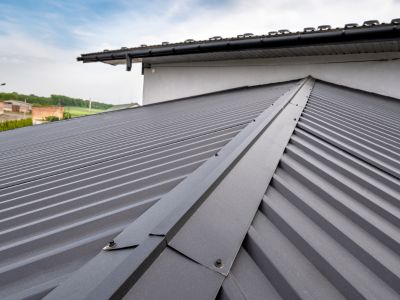
Metal roofs offer impressive environmental benefits. They last 40 to 70 years, cutting down on waste from frequent replacements. Made from up to 95% recycled materials, they’re eco-friendly both during production and at the end of their life. Their ability to reflect solar heat helps you save on cooling costs while reducing your carbon footprint. […]
Cool Roofs: How They Work in Hot Summers

Cool roofs help you stay comfortable during hot summers by reflecting sunlight and absorbing less heat than traditional roofs. This means your indoor temperatures drop, reducing the strain on your air conditioning and lowering energy bills. With average cooling costs dropping from $150 to $100 a month, you’ll enjoy significant savings. Plus, these roofs contribute […]
How Energy-Efficient Roofing Can Lower Bills
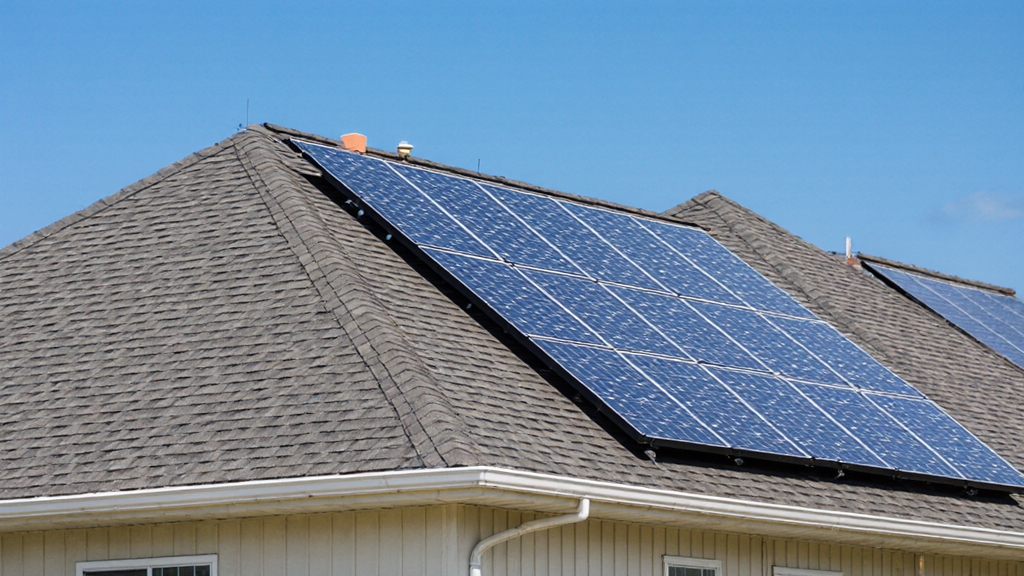
If you’re looking to cut down on utility bills, energy-efficient roofing might be the solution you need. These roofs not only enhance your home’s insulation but also reflect sunlight, reducing heat absorption. This means lower heating and cooling costs, especially during extreme weather. But how exactly do these roofs work, and what materials are most […]
Comparing Roof Styles: Flat, Gable, Hip, and More
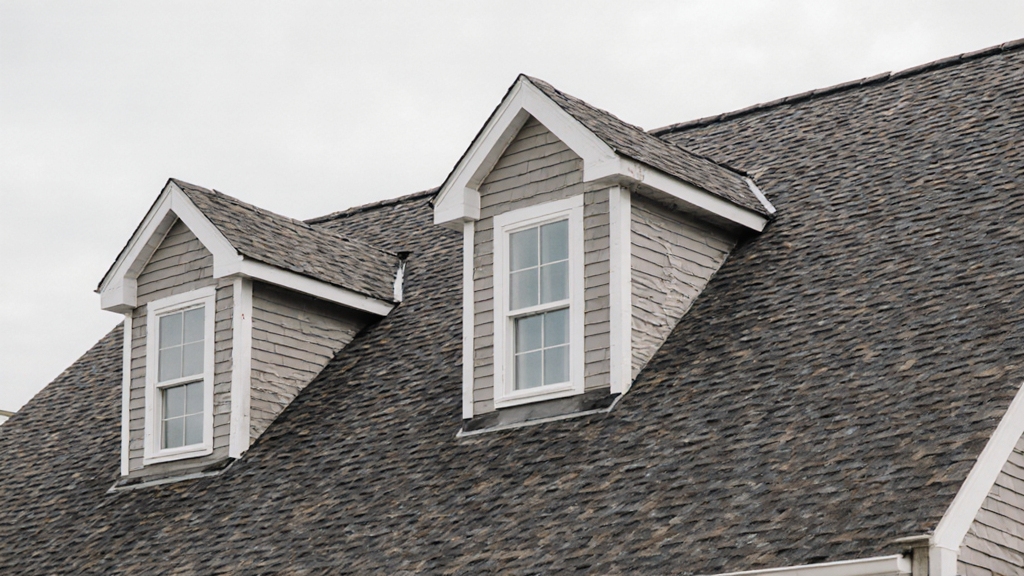
When you’re considering a new roof, the choice can feel overwhelming. Flat, gable, hip, and other styles each have their own set of advantages and drawbacks. You might appreciate the modern look of a flat roof or the classic charm of a gable. But which one really suits your needs? Understanding these roof styles can […]
How to Maintain a Commercial Roof
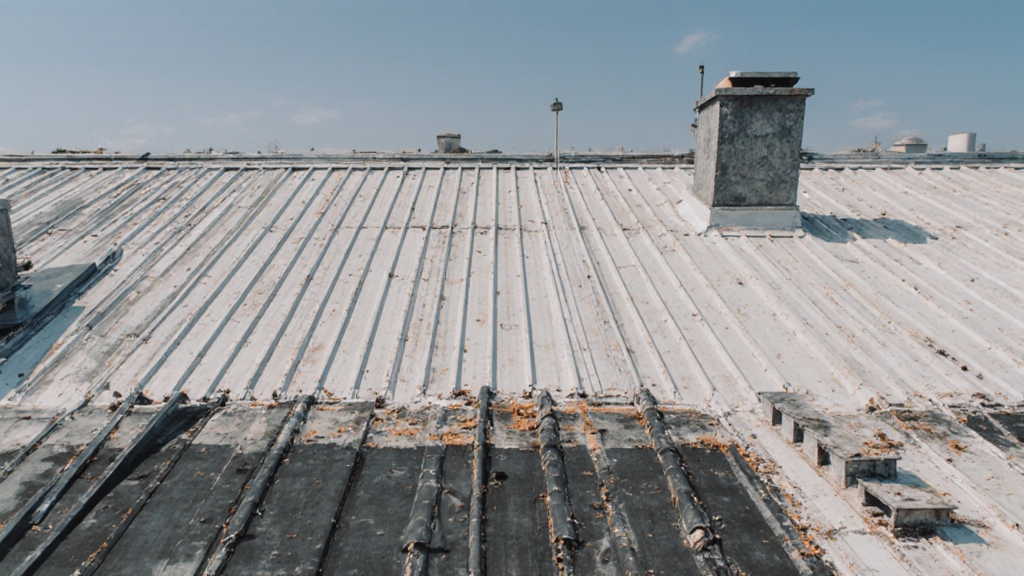
Maintaining a commercial roof is vital for protecting your investment and ensuring safety. Regular inspections can help you spot issues before they escalate, saving you money in the long run. But what should you look for during these inspections? And how can you effectively budget for maintenance costs? Understanding these elements is key to prolonging […]
The Durability of Different Roofing Materials
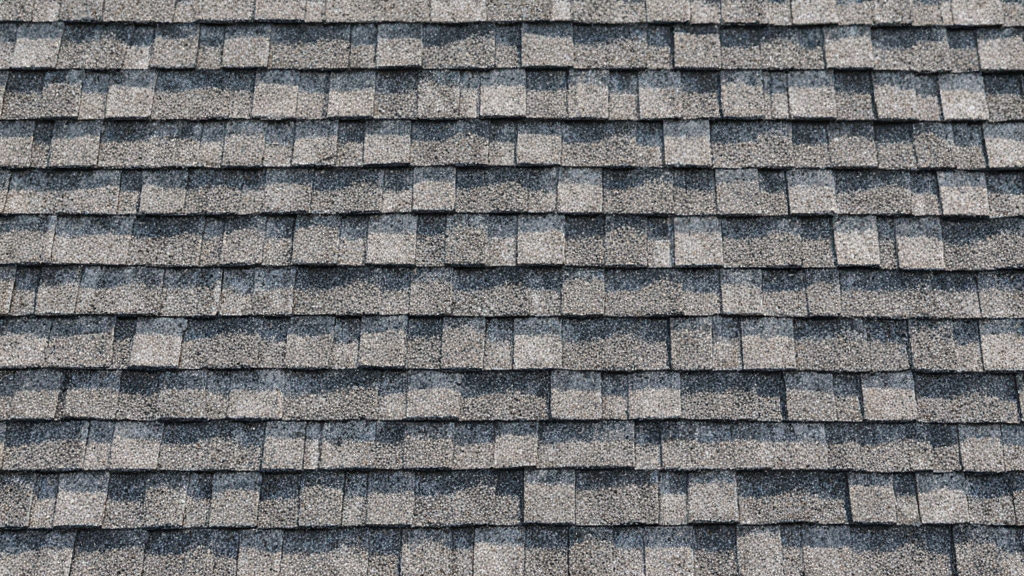
When it comes to roofing materials, durability is a key factor that can influence your choice. Each option has its strengths and weaknesses, impacting both lifespan and maintenance needs. You’ll want to evaluate how different materials hold up against the elements and what that means for your long-term investment. With so many choices available, which […]
How to Choose the Right Roof Color
When choosing the right roof color, consider your home’s architectural style and existing color palette. Opt for hues that complement the overall aesthetic while boosting energy efficiency. Lighter colors reflect heat, lowering cooling costs, while darker shades absorb warmth, ideal for cooler climates. Coordinate with landscaping elements and consult a professional for guidance. The perfect […]
Tile Roofs vs. Shingles: Which Lasts Longer?

When it comes to tile roofs versus asphalt shingles, tile roofs are the clear winner regarding durability and longevity. Tile can last 50 to 100 years, far outliving the 20 to 30 year lifespan of traditional shingles. Tile’s exceptional weather resistance and low maintenance requirements make it a wise long-term investment. If you’d like to […]